Pressure, breathlessness, pain that spreads
Call 911. Do not drive yourself to the hospital.
Heart attack warning signs →American Health Association
Our mission is to teach lifesaving skills and promote heart-healthy living, with free, plain-language guides on CPR, first aid, heart health, healthy eating and exercise, based on current science.
All training is based on the latest AHA ECC guidelines.CPR, AED and first aid, following the 2025 guideline update.


Grounded in published scienceOur guides follow ILCOR science and current emergency care guidance.
If you think it is an emergency, call 911 first.
Call 911. Do not drive yourself to the hospital.
Heart attack warning signs →Call 911 right away and note the time symptoms started.
Spot a stroke F.A.S.T. →Call 911, start hands-only CPR, and send someone for an AED.
What a bystander should do →For adults and children, alternate five back blows and five abdominal thrusts.
Choking care by age →Heart health
Heart disease is the leading cause of death in the United States. Knowing your numbers and your risks is a strong first step.
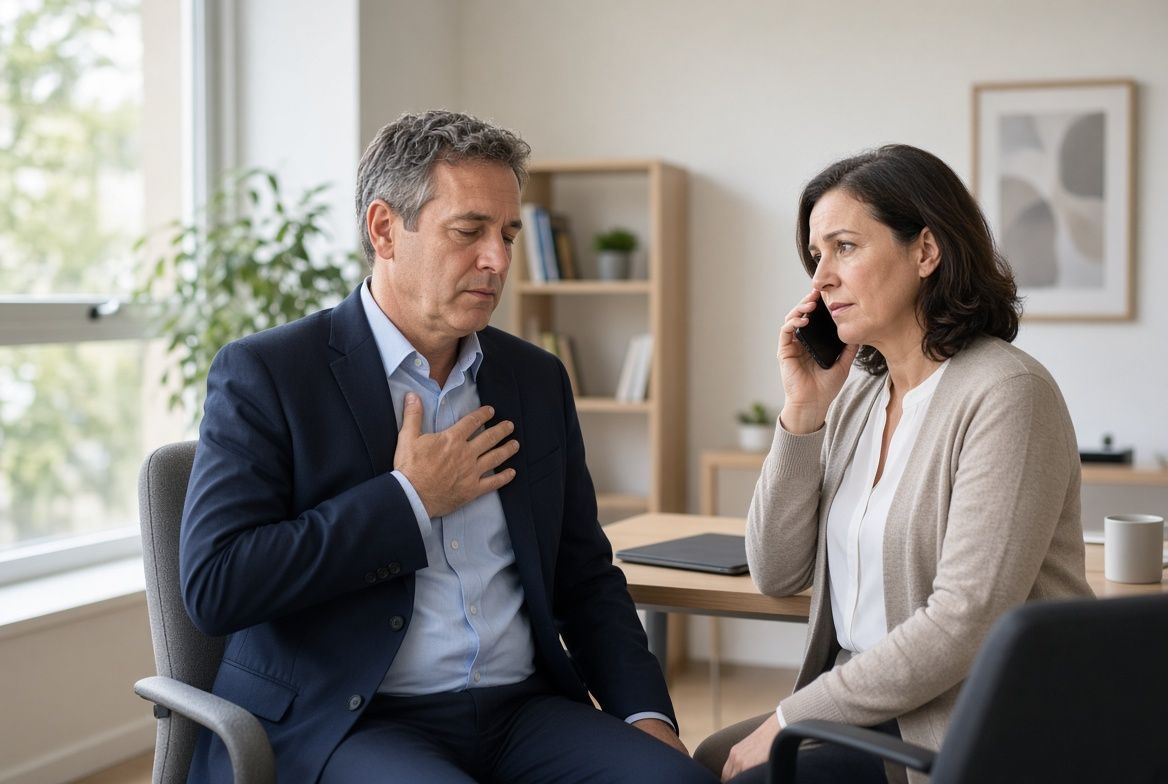
A heart attack is blocked blood flow to the heart; cardiac arrest is when the heart suddenly stops pumping. Here is how to tell them apart, and what to do for each.
Normal is below 120/80. High blood pressure often has no symptoms, so checks matter.
CholesterolWhat LDL, HDL and triglycerides mean, and questions to ask your doctor.
StrokeFace drooping, Arm weakness, Speech difficulty: Time to call 911.
Heart rhythmAn irregular heartbeat that raises stroke risk, and the signs to watch for.
PreventionSmoking, blood pressure, cholesterol, weight, activity and blood sugar.
Women's healthShortness of breath, nausea, and back or jaw pain can come with, or without, chest pain.
Healthy living
Practical ways to eat well and move more, one step at a time.
Nutrition
Keep sodium under 2,300 mg a dayThat is about one teaspoon of salt, and most of it comes from packaged and restaurant food.
Exercise
Aim for 150 minutes a weekAdults need at least 150 minutes of moderate activity a week, plus muscle strengthening on 2 days.
CPR & first aid
Short guides based on the latest AHA ECC guidelines. Education only, not a substitute for medical advice.
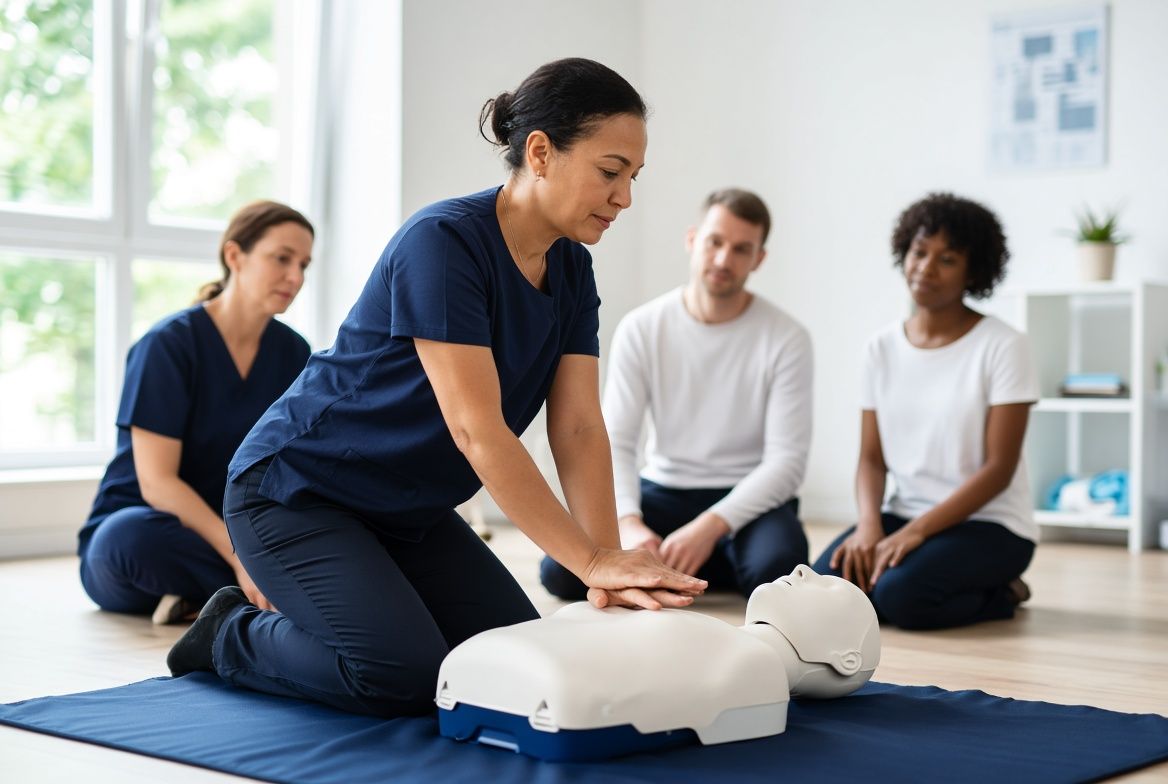
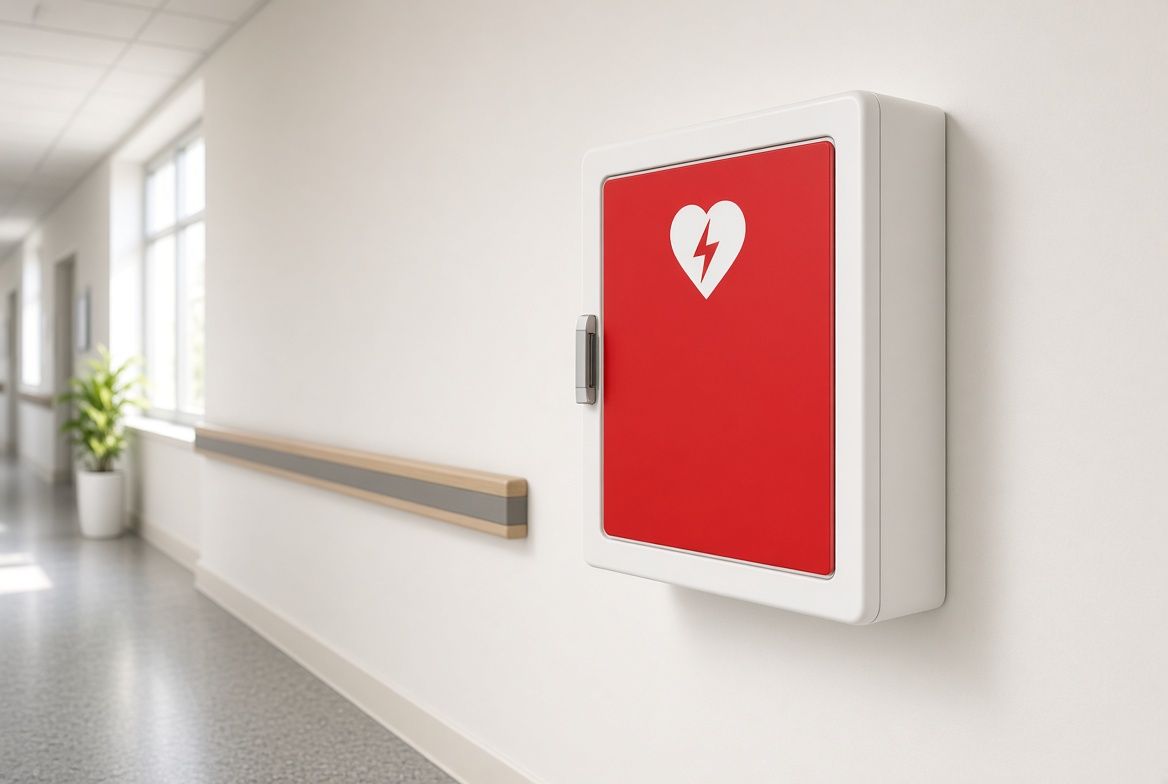
All American Health Association training is based on the latest AHA ECC guidelines.
About us
American Health Association has provided emergency care education since 2002. Our mission is to teach lifesaving skills and promote heart-healthy living.
Heart disease is the leading cause of death in the United States. Healthy habits can help prevent it, and a bystander who knows CPR can help save a life when an emergency happens. So all of our CPR, AED and first aid training is based on the latest AHA ECC guidelines, and we share free guidance on blood pressure, healthy eating and exercise with individuals, families, employers and communities.
Plain-language guides anyone can read before an emergency happens.
All of our training and guides are based on the latest AHA ECC guidelines and the ILCOR consensus on science.
Our standards →The First Aid, CPR and AED curriculum behind American Health Association training, based on the latest AHA ECC guidelines.
About the program →News & stories
Back blows and abdominal thrusts now alternate for adults and children. Here is what that means for you.
The 2025–2030 guidelines keep sodium under 2,300 mg a day and saturated fat at 10% of calories or less, and call for cutting back on added sugar. Here is what that means for your plate.
Months after a community CPR course, a Delaware woman and her husband gave her father CPR at home until paramedics took over. She credits the training with saving his life. Read her letter in the Cape Gazette.
“American Health Association was there for us after my husband experienced a heart attack. I was able to take CPR and AED training, which gave me much more confidence in knowing what to do if it happens again. My husband has learned a lot from the information on their website about making healthy lifestyle changes.”
Mary Van Eckles
Plain-language reminders on warning signs, first aid and guideline changes, from [email protected].